Magazine desk
Connected systems deserve editorial patience: we slow the story enough for revenue, marketing automation, and data ops to share one vocabulary before any tool ships an update.
This intro lands ahead of the countdown so attendees feel the tone before timers start. Expect asymmetric columns, neon hairlines, and invitations to challenge our facilitators when a playbook feels too tidy for your reality.
Milestone timeline
How the StackCurrent One briefings matured
Each version tightened the choreography between revenue, marketing automation, and data operations. Expand a release to see what changed for attendees on the ground.
- Facilitators carried paper runbooks between client sites.
- Discovery notes lived in shared drives without structured owners.
- Campaign QA relied on heroic weekend checks.
- Introduced payload fixtures teams could replay safely.
- Added reconciliation checkpoints before launches.
- Published bilingual agendas for APAC hubs.
- Virtual tables gained parity prompts with in-room boards.
- Facilitators rotate between stream chat and floor coaching.
- Incident retros folded into the same activity log template.
- Leadership memos now ship with limitation callouts.
- Procurement packets bundle scope, risks, and training hours.
- Partner tool grids stay playful but grounded in reality.
Hybrid summit
Ready for a calmer handoff between CRM and MAP?
Join us in Seoul for tactile whiteboards, or dial in for the virtual track that mirrors the same prompts and breakout rhythm. Two countdowns, one agenda: choose how you attend without losing signal.
- In-person doors open with coffee calibration and facilitator intros.
- Virtual attendees receive printable workbooks before the stream starts.
- Both tracks converge for the registration desk reconciliation story.
- Speaker passes unlock the evening studio walkthrough—limited for quality, not artificial scarcity.
In-person · Seoul
132d 4h 53m 42s
Counts down to lobby open at COEX meeting suites.
Virtual · Live stream
132d 5h 53m 42s
Uses UTC start so distributed teams share one honest clock.
Past intensives — still echoing in ops reviews
Recap cards stay terse on purpose: each row links to recap assets your team can reuse without digging through chat archives.
| Visual | Event | Attendees | Recap |
|---|---|---|---|
 | Seoul integration lab · spring | 186 practitioners | Request recap folder |
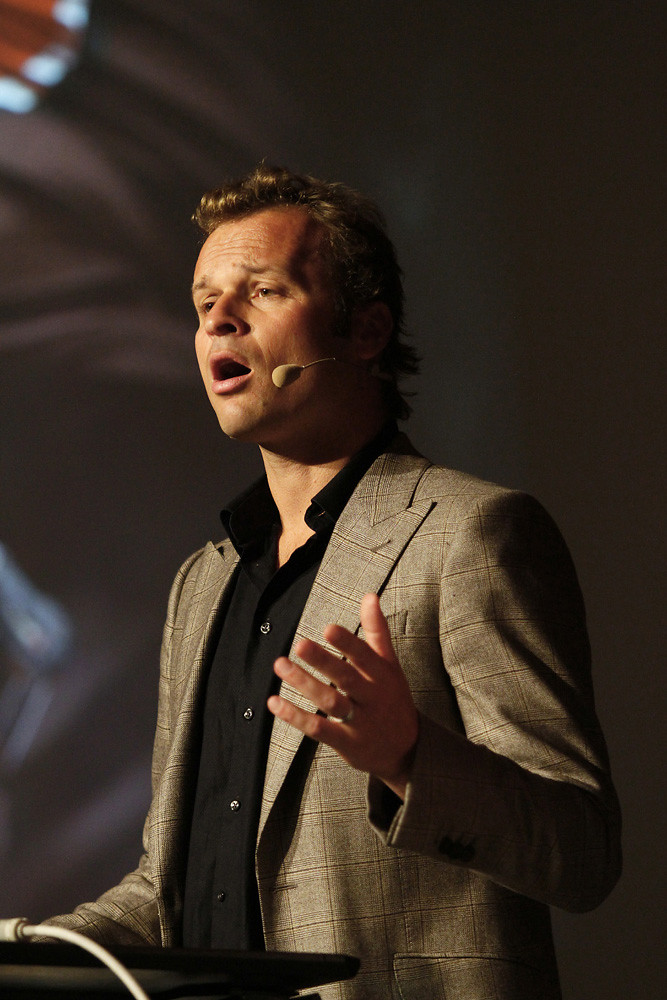 | APAC sync night · virtual-first | 242 live seats | Photo set + session notes |
Press & analyst nods
Analyst desks noticed when our Seoul cohort published reconciliation templates other consultancies still treated as optional. Industry publications picked up the quieter story: disciplined briefings that refuse to treat MAP filters as magic. Awards sit beside skeptical footnotes because we publish limitation language alongside the wins. Korean operations leaders quoted the work in closed-door roundtables before any vendor could claim a headline. The timeline below is chronological, not ranked—each badge marks a moment external reviewers validated the approach. We keep the panel here so procurement teams can scan credibility without sitting through a keynote replay.
- 2024
APAC RevOps Fieldnotes — honorable mention
- 2025
Lifecycle tooling review — shortlist citation
- 2026
Seoul operations guild — community recognition
Native-feeling connections, named honestly
We orchestrate stacks instead of pretending one vendor solves everything. The accordion below lists tools we regularly wire for enterprise clients—names are plain text to keep the playful grid lightweight. Each row explains what “native” means for that pairing, from webhook cadence to sandbox hygiene. Nothing here implies reseller status; these are integration surfaces our facilitators know deeply. Expand a tile when you want the candid notes we share in-room about failure modes. If your stack mixes uncommon pieces, bring them to the contact form and we will tell you if a bespoke lab makes sense.
Workshop tracks
Tracks behave like a friendly file tree: each branch shows capacity reality, facilitator voice, and the skill curve you should expect. We keep levels blunt—Foundational, Practitioner, Architect—so managers can match calendars without translating buzzwords. Capacity numbers reflect room layouts, not artificial scarcity. Facilitators rotate between tracks to keep tone consistent even when topics diverge. If a track sells slowly, we merge rooms rather than running hollow sessions. The hierarchy below is the same JSON we hand to venue crews so signage stays honest.
- ▾ Signal craft track
- ├─ Lifecycle scoring studio · Practitioner · 28 seats · Haneul Park
- └─ Preference center clinic · Foundational · 40 seats · Mika Laurent
- ▾ Field alignment track
- ├─ Relay for revenue talk tracks · Practitioner · 32 seats · Jonah Miles
- └─ Executive radar planning · Architect · 18 seats · Sora Ahn
Passes that match how you learn
Pricing is informational—transfer instructions arrive after a human confirms your roster. General passes cover main stage blocks and shared labs. VIP adds facilitated table time. Speaker passes bundle the evening studio tour with facilitator office hours. We split the grid into two columns so virtual and in-person tradeoffs stay visible side by side instead of buried in footnotes.
In-person · COEX corridor
General
₩2,900,000
Main sessions + shared labs
VIP
₩4,600,000
Facilitated tables + lunch debriefs
Speaker pass
₩6,800,000
Studio tour + office hours block
Virtual · Broadcast desk
General remote
₩1,400,000
Stream + digital workbook
VIP remote
₩2,200,000
Breakout rotations + chat desk
Speaker remote
₩3,400,000
After-hours studio stream